2025 Year-End Tax Tips and Strategies for Business Owners

brandableContent

brandableContent

As 2025 comes to a close, many business owners are thinking about wrapping up their books, reviewing results, and getting ready for a new year. But before December 31 passes, there’s one more important task to tackle — your year-end tax strategy.

A few smart moves now can reduce your tax bill, protect your company’s cash flow, and create new planning opportunities for 2026. Here’s how to make the most of the weeks ahead.

Strengthen Year-End Cash Flow

Strong cash flow is the foundation of good tax planning. Before year-end, take time to review how much cash your business needs to meet short-term obligations such as payroll, supplier invoices, or loan payments.

If your taxable income is higher than expected, look for ways to reduce or defer taxes by:

  • Accelerating deductible expenses (for example, professional fees, utilities, or rent).

  • Writing off bad debts or setting up reserves for doubtful accounts.

  • Paying out reasonable bonuses or salaries before year-end, if already declared.

You may also want to delay income into 2026 by deferring invoices or delaying the sale of appreciated assets, depending on your overall income picture.

Managing cash flow now can free up funds to reinvest in your business — or take advantage of new deductions and credits before they expire.

Optimize Your Salary and Dividend Mix

For incorporated business owners, one of the most important year-end decisions is how to pay yourself.

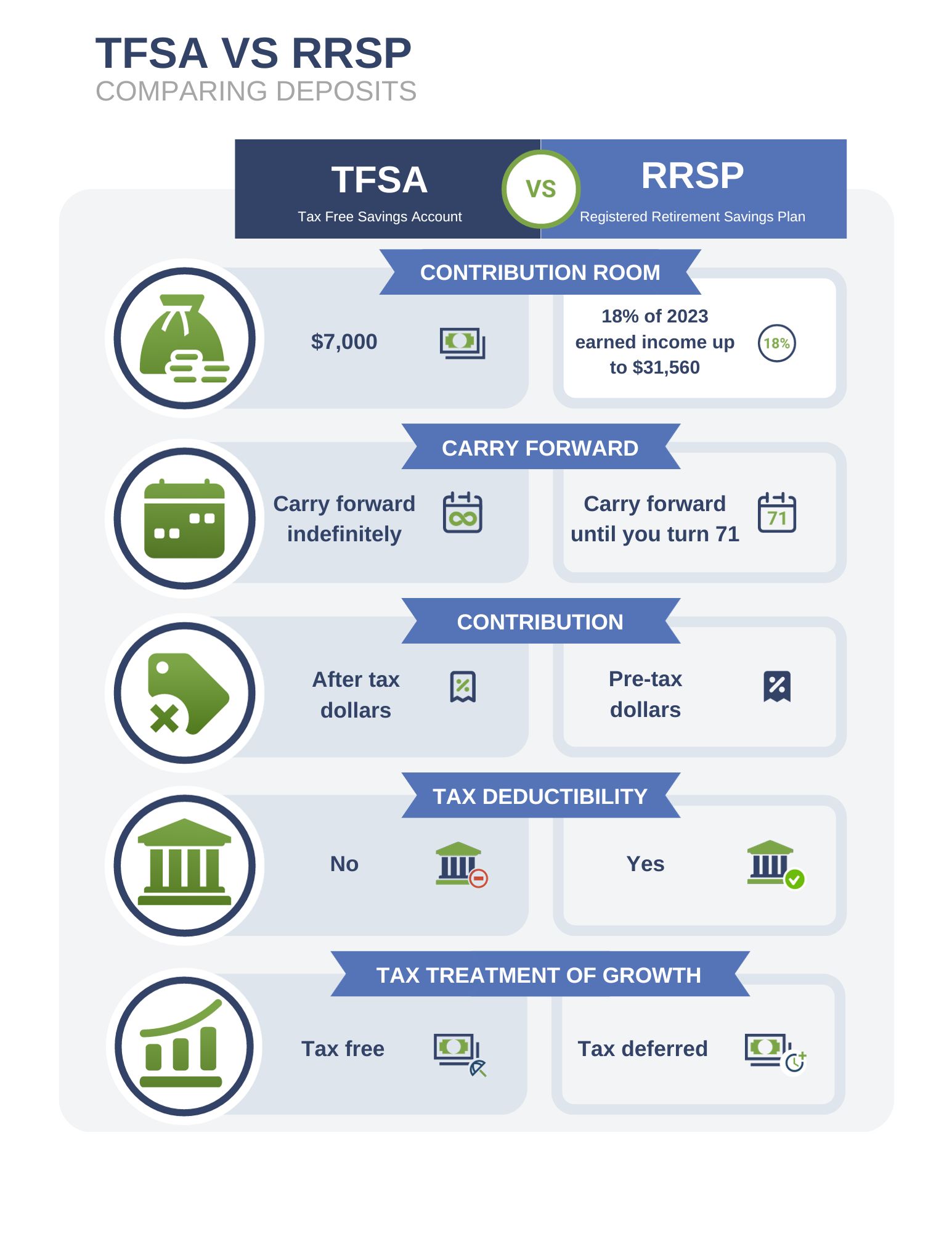
Salary provides earned income that creates RRSP contribution room and qualifies for Canada Pension Plan (CPP) benefits. Dividends, by contrast, are taxed at a lower rate in most provinces and don’t require CPP contributions.

For 2025, earning $180,500 in 2024 creates the maximum RRSP room of $32,490 for 2025. Looking ahead, for 2026 contributions, $187,833 in 2025 salary will be needed to reach the increased RRSP limit of $33,810. If you mainly use dividends, make sure you earn enough salary to keep building RRSP room. The RRSP deadline for 2025 is March 2, 2026.

A balanced mix often provides the best outcome — salary for savings and CPP, and dividends for flexibility. Review your compensation with your accountant before the year ends to lock in your approach.

Family Income and Compensation Planning

If family members are involved in your business, paying them can be a practical and tax-efficient option:

  • Salaries to Family Members: Paying a fair salary to family members who work for your business not only compensates them but also gives them access to RRSP contributions and CPP. You must be able to prove the family members have provided services in line with the amount of compensation you give them.

  • Dividends to Family Members: If family members are shareholders, dividends can provide them with tax-efficient income. The tax-free amount varies by province or territory, so it’s worth checking the rules where you live.

  • Income Splitting: Distributing income among family members can help reduce overall taxes. However, be mindful of the Tax on Split Income (TOSI) rules to avoid penalties. A tax professional can guide you through this process.

Deferring Income

If you don’t need the full amount for personal use, leaving surplus funds in the corporation could be a smart move. This keeps the money invested within the business, benefiting from lower corporate tax rates. Over time, this approach may allow the funds to generate more income compared to personal investing, depending on your goals and investment strategy. However, be mindful of passive investment income limits, as exceeding $50,000 in passive income could reduce or eliminate your corporation’s access to the small business deduction. Monitoring this threshold is essential to maintaining the tax advantages available to your business.

Other Compensation Strategies

It’s always a good idea to review how you handle compensation beyond base salary.

Consider these options:

  • Shareholder Loans: Borrow funds from your corporation with deductible interest but ensure repayment to avoid personal tax.

  • Profit-Sharing Plans: These can be a tax-efficient alternative to bonuses for distributing profits.

  • Stock Options: Only the employee or employer—not both—can claim a deduction when options are cashed out.

  • Retirement Plans: Explore setting up a Retirement Compensation Arrangement (RCA) to save for retirement tax-efficiently.

Passive Investments

Canadian-controlled private corporations (CCPCs) benefit from a reduced corporate tax rate on the first $500,000 of active business income, thanks to the small business deduction (SBD). The SBD can lower the tax rate by 12% to 21%, depending on your province or territory. Some provinces (e.g., NS, PEI) changed small-business limits in 2025, which may affect combined rates.

However, passive investment income over $50,000 in the previous year reduces the SBD by $5 for every additional dollar, potentially eliminating it altogether. To maintain access to the SBD, it’s important to keep passive investment income below this threshold.

Here are some strategies to help preserve your SBD:

  • Defer Portfolio Sales: Delay selling investments that generate capital gains if possible.

  • Optimize Your Investment Mix: Focus on tax-efficient investments like equities over fixed income.

  • Exempt Life Insurance Policies: Income earned within these policies isn’t included in your passive investment total.

  • Individual Pension Plan: This defined benefit plan is exempt from passive income rules and offers tax-advantaged retirement savings.

Carefully managing passive investments can help your business maintain access to the SBD and maximize its tax advantages for continued growth.

Use Your Capital Dividend Account (CDA) Wisely

The Capital Dividend Account lets private corporations pay tax-free dividends from specific sources, such as the non-taxable portion of capital gains or certain life insurance proceeds.

If your CDA has a positive balance, it may be worth paying out a capital dividend before realizing any capital losses, which can reduce the CDA balance. Once losses are recorded, your ability to pay tax-free dividends is reduced or eliminated.

A quick check with your advisor before year-end can ensure you don’t miss this opportunity.

Take Advantage of Purchases and Deductions

If you’re planning to buy equipment or technology for your business, timing your purchases before December 31 can offer valuable deductions.

Under current tax measures, certain business assets qualify for enhanced depreciation or immediate expensing. Select assets can qualify for a 100% first-year write-off under Budget 2025 proposals for property available for use before 2030. This measure allows businesses to accelerate deductions and reduce taxable income in the year the asset is placed in service.

Making these investments now may lower your 2025 taxable income while positioning your business for growth.

Apprenticeship and Training Incentives

Many provinces offer refundable credits for hiring and training apprentices in skilled trades. These credits vary by region but can offset a meaningful portion of training costs.

Taking advantage of these incentives supports your workforce, rewards innovation, and improves your bottom line.

Plan for Business Transition and Succession

If you’re thinking about selling or passing down your business in the future, 2025 brings several important planning opportunities.

The Lifetime Capital Gains Exemption (LCGE) lets you shelter up to $1.25 million (indexed after 2025) in capital gains from tax when selling qualified small business corporation (QSBC) shares.

Starting this year, the new Canadian Entrepreneurs’ Incentive (CEI) further reduces tax on eligible business sales by lowering the capital gains inclusion rate to one-third on up to $2 million of gains over your lifetime. This new incentive phases in gradually over five years.

If your shares qualify for these exemptions, you may wish to crystallize (lock in) the exemption now or review your ownership structure to ensure you meet all conditions. Proper planning can make the difference between a fully taxable gain and one that’s largely tax-free.

Build Long-Term Retirement Income

While many owners reinvest profits into their business, it’s important to plan for your own financial future as well.

Here are a few corporate-friendly retirement options to consider:

  • Individual Pension Plans allow for higher contribution limits than RRSPs, particularly for owners over age 40 with consistent income.

  • Retirement Compensation Arrangements let you set aside corporate funds for future retirement on a pre-tax basis.

  • Employee Profit Sharing Plans can be used to share profits with employees in a tax-efficient way.

Reviewing your long-term savings approach ensures that the wealth you build in your company also supports your personal retirement goals.

Donations

Making donations, whether charitable or political, can provide valuable tax benefits. To maximize these advantages, consider options like:

  • Donating securities

  • Giving a direct cash gift to a registered charity

  • Using a donor-advised fund for ongoing charitable contributions

  • Setting up a private foundation

  • Donating a life insurance policy by naming a charity as the beneficiary or transferring ownership.

Each option offers unique tax advantages depending on your situation.

Bringing It All Together

Year-end planning isn’t just about saving on taxes — it’s about making intentional financial decisions that support your business’s next chapter.

By reviewing your compensation, investments, and future goals before December 31, you can lower taxes today while setting the stage for long-term success.

Consider scheduling a meeting with your accountant or advisor soon to discuss which of these strategies fit your business best. A small amount of preparation now can make a big difference in 2026.

Sources:

CPA Canada, “2024 Federal Budget Highlights,” https://www.cpacanada.ca/-/media/site/operational/sc-strategic-communications/docs/02085-sc_2024-federal-budget-highlights_en_final.pdf?rev=6d565a6a66ef4e20b1e01dc784464c93, 2024.

Government of Canada, “Capital Gains Inclusion Rate,” https://www.canada.ca/en/department-finance/news/2024/06/capital-gains-inclusion-rate.html, 2024.

Advisor.ca, “Lifetime Capital Gains Exemption to Top $1M in 2024,” https://www.advisor.ca/tax/tax-news/lifetime-capital-gains-exemption-to-top-1m-in-2024/, 2024.

PwC Canada, “Year-End Tax Planner,” https://www.pwc.com/ca/en/services/tax/publications/guides-and-books/year-end-tax-planner.html, 2024.

CIBC, “2024 Year-End Tax Tips,” https://www.cibc.com/content/dam/personal_banking/advice_centre/tax-savings/year-end-tax-tips-en.pdf, 2024.

Government of Canada, “Federal Budget 2024,” https://budget.canada.ca/2024/report-rapport/tm-mf-en.html, 2024.

2025 Federal Budget Highlights

2025 Federal Budget Highlights

On November 4, 2025, the budget was delivered by the Honourable François-Philippe Champagne, Minister of Finance and National Revenue.

The 2025 Federal Budget focuses on stability, simplicity, and long-term growth. There are no broad tax increases or major new spending programs. Instead, the government is emphasizing restraint, modernization, and productivity.

For individuals and business owners, the goal is clear: help Canadians access benefits more easily, encourage investment in innovation and clean energy, and update trust and estate rules to maintain fairness across the system.

Economic Overview

Canada’s federal deficit is projected at $78.3 billion for 2025–26. The government aims to stabilize the debt-to-GDP ratio while maintaining funding for priorities such as housing, defence, and clean energy.

Spending will focus on programs that improve productivity, while efficiency reviews across departments are expected to reduce overlap and administrative costs. This marks a shift toward sustainable fiscal management and practical, targeted investments.

Personal and Family Tax Measures

Several measures are designed to make life more affordable, particularly for first-time home buyers, caregivers, and lower-income households.

Eliminating the GST for First-Time Home Buyers

First-time home buyers will not pay the 5 percent federal GST on new homes priced up to $1 million. For new homes between $1 million and $1.5 million, a partial GST reduction applies. This change provides meaningful savings and makes new construction more accessible for Canadians entering the housing market.

Home Accessibility Tax Credit

Starting in 2026, expenses can no longer be claimed under both the Home Accessibility Tax Credit and the Medical Expense Tax Credit. The rule prevents duplicate claims but continues to support renovations that make homes safer and more accessible for seniors or individuals with disabilities.

Top-Up Tax Credit

To balance the reduction in the lowest federal tax bracket—from 15 percent to 14.5 percent in 2025, and 14 percent in 2026—the government introduced a Top-Up Tax Credit to preserve the value of non-refundable credits such as tuition, medical, and charitable amounts. This temporary measure, available from 2025 through 2030, ensures Canadians receive the same credit value even as rates decrease.

Personal Support Workers (PSW) Tax Credit

A new refundable tax credit equal to 5 percent of eligible income, up to $1,100 per year, will be available for certified personal support workers beginning in 2026. The measure acknowledges the importance of care professionals and provides direct relief to those in long-term and community-care roles.

Automatic Federal Benefits

Starting in 2025, the Canada Revenue Agency will begin automatically filing simple tax returns for eligible Canadians who do not normally file. This will allow low-income earners and seniors to receive benefits such as the Canada Workers Benefit, GST/HST Credit, and Canada Carbon Rebate automatically. Those with more complex financial situations will continue to file regular returns.

Registered Plans, Trusts, and Estate Planning

The budget introduces several changes affecting trusts and registered plans—key tools in long-term financial and estate planning.

Bare Trust Reporting Rules

Implementation of new bare trust reporting requirements has been delayed. The rules will now apply to taxation years ending December 31, 2026, or later. This postponement gives individuals, trustees, and professionals more time to prepare for the new filing obligations.

The 21-Year Rule for Trusts

Trusts—particularly most personal or family trusts—are generally considered to have sold and repurchased their capital property every 21 years (a “deemed disposition”). This rule prevents indefinite deferral of capital-gains tax on assets that grow in value.

When property is moved on a tax-deferred basis from one trust to another, the receiving trust normally inherits the original 21-year anniversary date so that tax timing does not reset.

Some estate-planning arrangements have transferred trust property indirectly—for example, through a corporation or a beneficiary connected to a second trust—so that the transfer did not appear to be trust-to-trust. These arrangements effectively extended the period before capital gains would be recognized.

Budget 2025 broadens the anti-avoidance rule to include indirect transfers. Any transfer of property made on or after November 4, 2025, that effectively moves assets from one trust to another will retain the original 21-year schedule.

For families that use trusts in estate or business-succession planning, this change reinforces the importance of reviewing structure and timing. Trusts remain valuable for asset protection, legacy planning, and income distribution—this update simply ensures consistent application of the 21-year rule.

Qualified Investments for Registered Plans

Beginning January 1, 2027, all registered plans—RRSPs, TFSAs, FHSAs, RDSPs, and RESPs—will follow a single harmonized list of qualified investments. Small-business shares will no longer qualify for new contributions, though existing holdings will remain grandfathered. The update simplifies compliance and clarifies which assets can be held in registered accounts.

Business and Investment Incentives

For business owners, Budget 2025 provides opportunities to reinvest, innovate, and modernize operations, with emphasis on manufacturing, research, and clean technology.

Immediate Expensing for Manufacturing and Processing Buildings

Businesses can now claim a 100 percent deduction for eligible manufacturing and processing buildings acquired after Budget Day and available for use before 2030. This full write-off improves cash flow and encourages earlier expansion. The benefit will gradually phase out after 2033.

Scientific Research and Experimental Development (SR&ED)

The refundable SR&ED tax credit limit has increased from $3 million to $6 million per year, effective for taxation years beginning after December 16, 2024. This expansion strengthens support for small and medium-sized Canadian businesses investing in innovation and technology.

Tax Deferral Through Tiered Corporate Structures

To prevent deferrals of tax on investment income, new rules will suspend dividend refunds for affiliated corporations with mismatched fiscal year-ends. This ensures consistent taxation within corporate groups and aligns refund timing with income recognition.

Agricultural Co-operatives

The tax deferral for patronage dividends paid in shares has been extended to December 31, 2030, continuing to support agricultural co-operatives and their members.

Clean Technology and Clean Electricity Investment Credits

Clean-technology and clean-electricity incentives have been expanded to include additional critical minerals—such as antimony, gallium, germanium, indium, and scandium—used in advanced manufacturing and renewable energy production. The Canada Growth Fund can now invest in qualifying projects without reducing the amount of credit companies can claim, keeping the incentive structure attractive for green investment.

Canadian Entrepreneurs’ Incentive

The government has confirmed it will not proceed with the previously proposed Canadian Entrepreneurs’ Incentive. The existing Lifetime Capital Gains Exemption remains unchanged and continues to apply to the sale of qualified small-business shares.

Tax Simplification and Repealed Measures

To simplify administration and reduce complexity, two taxes are being repealed:

– Underused Housing Tax, beginning in 2025

– Luxury Tax on aircraft and vessels for purchases made after November 4, 2025

In addition, the Canada Carbon Rebate will issue its final household payment in April 2025, with no rebates available for returns filed after October 30, 2026. These changes are meant to streamline compliance and eliminate programs that were costly to administer.

Government Direction and Spending Priorities

Beyond taxation, the budget sets out the government’s broader policy priorities.

Downsizing Government: A comprehensive efficiency review is underway to eliminate duplication across departments and generate long-term savings.

Cuts to Immigration: To ease pressure on housing and infrastructure, temporary-resident levels will be reduced by about 20 percent over two years, while maintaining pathways for essential workers.

Defence Spending: Canada will invest an additional $7 billion over five years to strengthen NATO participation, Arctic defence, and cybersecurity. By 2030, defence spending is expected to reach 1.8 percent of GDP.

Oil and Gas Emission Cap: A phased-in cap starting in 2026 will allow companies to meet targets through carbon-capture and clean-tech investments rather than penalties.

Final Thoughts

For individuals, the most relevant updates include GST relief for first-time home buyers, improved benefit access, and continued tax relief for caregivers and support workers. For business owners, the focus remains on productivity—through immediate expensing, expanded SR&ED credits, and clean-tech investment incentives. For families using trusts or inter-generational structures, the clarified 21-year rule reinforces transparency in estate planning.

If you’d like to review what these changes mean for you or your business, please get in touch. We can look at your goals and make sure you’re well prepared for the year ahead.

Leaving Your Employer – Should You Take Your Pension?

When you leave an employer, one of the biggest financial decisions you may face is what to do with your pension. For many employees and executives, the pension represents years of savings and future income security. But when offered the option to take the value of the pension today, it can feel overwhelming to decide whether to leave it where it is or transfer it out. Let’s walk through the key considerations so you can make an informed choice.

What is a Pension Plan?

A pension is a retirement savings arrangement set up by your employer. There are two main types: defined contribution and defined benefit. With a defined contribution plan, both you and your employer contribute money, and the balance depends on investment performance. With a defined benefit plan, your future income is pre-determined based on things like your years of service and average salary. Many Canadians leaving an employer with a defined benefit plan will be faced with the decision of whether to keep the pension or “commute” (cash out) its value.

Defined benefit pensions are attractive because they provide predictable lifetime income. This predictability can give peace of mind. On the other hand, defined contribution plans shift the investment risk to you, since your eventual income depends on how the funds grow over time.

Know Your Pension Options

When you leave your employer, your options depend on the type of plan. With a defined contribution plan, you’ll typically move the money into your own locked-in retirement account or buy an annuity that provides income for life. With a defined benefit plan, you can either:

  • Leave the pension with your former employer, collecting a guaranteed monthly payment at retirement.
  • Take the commuted value (the lump sum representing the present value of future payments) and transfer it to a locked-in retirement account.

Both options have trade-offs. Leaving the pension may give you peace of mind with guaranteed income for life. Commuting gives you control over the investments but shifts the risk to you. The decision also has implications for your family. Unlike a commuted pension, which can be passed on to heirs, most defined benefit pensions end upon death, except for survivor benefits that may be included.

Key Considerations Before Deciding

This decision is highly personal and depends on several factors:

  • Longevity: If you expect to live longer than average, staying in the pension may make sense because it ensures you don’t outlive your money.
  • Stability of the employer’s plan: Some pensions are well-funded, while others face challenges. If you have doubts about whether the company will remain strong enough to pay pensions in the future, taking the commuted value may provide more security.
  • Need for predictable income: A pension offers steady, reliable payments. If you’d feel more comfortable knowing exactly what you’ll receive each month, this could be valuable.
  • Market risk: If you commute your pension, your retirement income will depend on market returns. That could mean growth, but also the possibility of running out of money if markets perform poorly or if withdrawals are too high.
  • Estate planning: Pensions typically stop at death (with limited survivor benefits). If leaving money to your heirs is important, a commuted pension gives more flexibility.

It’s important to weigh these factors against your lifestyle, your other sources of income (such as CPP, OAS, RRSPs, or TFSAs), and your comfort with risk.

How Much Can You Transfer?

When you choose to take the commuted value, the Income Tax Act sets a maximum amount that can be transferred tax-deferred into a locked-in retirement account (LIRA). The formula depends on your annual pension amount and a factor based on your age. Anything above this maximum must be taken as taxable income in the year you leave your employer. This can create a significant tax bill. Planning ahead with strategies like using RRSP room or your spouse’s RRSP can help soften the tax hit. In some cases, contributing to a Tax-Free Savings Account (TFSA) may also be beneficial.

Unlocking Pension Money

Funds in a LIRA remain locked until retirement, but there are exceptions. Depending on your province, you may be able to unlock money earlier if you face financial hardship, move out of the country, or have a shortened life expectancy. At retirement age, a LIRA typically converts into a Life Income Fund (LIF), which provides a stream of income but still follows government rules for minimum and maximum withdrawals.
Some provinces allow partial unlocking of a LIRA once you reach a certain age, which can improve flexibility.

Additional Factors to Keep in Mind

There are also tax and income-splitting considerations. Pension income can often be split with a spouse, reducing household taxes. However, this benefit works differently depending on whether you keep the pension or commute it. If you keep your pension, income splitting is available immediately when payments begin. If you commute and move the funds into a LIF or RRIF, income splitting usually becomes available only at age 65.

Indexing and bridge benefits are also worth reviewing. Some pensions offer cost-of-living increases or bridge payments until government benefits like CPP or OAS begin. These can significantly impact the overall value of staying in the pension.

Final Thoughts

Deciding what to do with your pension when leaving an employer is one of the most important retirement choices you’ll face. Keeping the pension can give you guaranteed income for life, while commuting it offers flexibility and control, but with added risks and potential tax costs. The right decision depends on your personal goals, health, family needs, and comfort with investment risk.

If you’re unsure, take the time to speak with us before making your decision. A pension may be one of your largest assets, and the choice you make could shape your retirement for decades.

Supporting Your Aging Parents Without Sacrificing Your Own Stability

Supporting Your Aging Parents Without Sacrificing Your Own Stability

It starts gradually. A missed bill here. A forgotten appointment there. Then one day you realize your parents may no longer be able to manage everything on their own. You want to help—but you also have a job, a family, and your own responsibilities. For many adults, stepping in to support aging parents financially or emotionally is one of the most challenging roles they’ll take on.

As life expectancy increases, more Canadians are finding themselves caring for elderly parents while still raising children or building their own future. The emotional weight is one thing—but the financial implications and paperwork can feel overwhelming. The good news? With thoughtful preparation and open communication, you can protect your loved ones while staying grounded yourself.

Start with Honest, Compassionate Conversations

Talking about money, health, or legal documents with your parents isn’t easy. Many people avoid these topics because they’re uncomfortable or feel “too personal.” But waiting until there’s a crisis—like a fall, hospitalization, or memory loss—can limit your options and lead to rushed decisions.

Start with small, respectful conversations. Ask your parents what they would like help with, and offer to support them in ways that don’t feel intrusive. Share a story about someone else who went through this—it can make the conversation feel less like a confrontation and more like a shared concern.

If you have siblings, try to align with them first. It’s helpful to present a united and supportive front, even if only one person is taking the lead. Having an agreed-upon approach can also reduce misunderstandings or resentment down the line.

Gather the Right Information Early

One of the best things you can do is help your parents create an “Information Checklist.” This isn’t just about knowing where their money is—it’s about understanding the full picture of their finances, obligations, and preferences.

Here are some items to include in that checklist:

  • Personal information: Social Insurance Number, health care card, date of birth, current address, emergency contacts
  • Financial accounts: bank accounts, insurance policies, pensions, RRSPs/RRIFs, TFSAs
  • List of monthly bills: utilities, credit cards, insurance premiums, phone, internet, property tax
  • Legal documents: will, power of attorney (financial and medical), healthcare directive, deeds or titles
  • Login credentials (if possible): online banking, CRA account, utility portals
  • Health records: medication list, primary doctor, pharmacy, care history

Organize everything into one place—either a binder, secure folder, or encrypted digital file. The goal isn’t to take control right away—it’s to be ready if and when it’s needed

brandableContent

Understand the Legal Side of Helping

Even if your parents trust you to step in, you can’t simply start managing their accounts without legal authority. A power of attorney (POA) document gives you the right to act on their behalf for financial and/or medical matters. This must be signed while your parent is mentally capable.

If you already have POA documents in place, don’t stop there. Reach out to their bank, insurance company, and investment firm to confirm they accept the documents—or if they require their own internal forms. Some institutions may ask for a doctor’s letter confirming incapacity before they will recognize the POA.

Also consider notifying government agencies like Service Canada or provincial health bodies if you have POA status. It can take time for your authority to be processed, so doing it in advance saves delays later.

Without a valid POA, you may need to apply for guardianship or trusteeship through the courts, which can be a lengthy and stressful process.

Create a Plan—And Keep It Flexible

Every parent’s situation is unique. Some may be fiercely independent and want to remain hands-off. Others might be relieved to delegate things like bill payments or appointment scheduling. The key is to agree on a shared plan that respects their wishes while also addressing practical concerns.

For some families, that might mean gradually taking on tasks like organizing bill payments, helping with taxes, or reviewing insurance coverage. For others, it could involve preparing for bigger decisions—like exploring home care options or moving to assisted living.

Try to balance compassion with clarity. It’s okay to say, “I want to make sure everything is in place now, so we don’t have to scramble later.” Helping your parents remain involved in decisions for as long as possible preserves their dignity and autonomy.

You can also revisit the plan as their needs evolve. A yearly check-in to review their financial documents, renew insurance policies, and update contact information is a great habit to adopt.

Use Tools and Resources to Lighten the Load

Managing someone else’s affairs can feel like a second job. Thankfully, there are tools that can help. Automatic bill payments and direct deposit can reduce the risk of missed due dates. Transaction monitoring services can flag suspicious activity and help prevent fraud. Some families use shared calendars or caregiver apps to stay on top of appointments and responsibilities.

Look into local and government resources too. Your province may offer programs that subsidize home care, equipment, or transportation. Some non-profits run adult day programs or offer respite services for caregivers.

If your parents have insurance—like long-term care coverage or disability insurance—review the policy now. Understanding what it does (and doesn’t) cover will help you avoid surprises later.

Moving Forward with Confidence

Caring for aging parents isn’t just about responding to emergencies—it’s about planning ahead so everyone feels supported, respected, and safe. By opening the lines of communication early, organizing important documents, and clarifying legal authority, you’ll be in a much better position to help when it’s needed most.

This stage of life can feel overwhelming, but you don’t have to go through it alone. Start by creating a simple checklist with your parents. Schedule a conversation this month—just one. Taking that small first step today can make a big difference tomorrow. We can help.

Disclaimer: This article is for informational purposes only and does not constitute financial, legal, or tax advice. Always consult a qualified professional regarding your specific situation. We are not responsible for any actions taken based on this content.

Leaving Your Employer – Should You Take Your Pension?

When you leave an employer, one of the biggest financial decisions you may face is what to do with your pension. For many employees and executives, the pension represents years of savings and future income security. But when offered the option to take the value of the pension today, it can feel overwhelming to decide whether to leave it where it is or transfer it out. Let’s walk through the key considerations so you can make an informed choice.

What is a Pension Plan?

A pension is a retirement savings arrangement set up by your employer. There are two main types: defined contribution and defined benefit. With a defined contribution plan, both you and your employer contribute money, and the balance depends on investment performance. With a defined benefit plan, your future income is pre-determined based on things like your years of service and average salary. Many Canadians leaving an employer with a defined benefit plan will be faced with the decision of whether to keep the pension or “commute” (cash out) its value.

Defined benefit pensions are attractive because they provide predictable lifetime income. This predictability can give peace of mind. On the other hand, defined contribution plans shift the investment risk to you, since your eventual income depends on how the funds grow over time.

Know Your Pension Options

When you leave your employer, your options depend on the type of plan. With a defined contribution plan, you’ll typically move the money into your own locked-in retirement account or buy an annuity that provides income for life. With a defined benefit plan, you can either:

  • Leave the pension with your former employer, collecting a guaranteed monthly payment at retirement.
  • Take the commuted value (the lump sum representing the present value of future payments) and transfer it to a locked-in retirement account.

Both options have trade-offs. Leaving the pension may give you peace of mind with guaranteed income for life. Commuting gives you control over the investments but shifts the risk to you. The decision also has implications for your family. Unlike a commuted pension, which can be passed on to heirs, most defined benefit pensions end upon death, except for survivor benefits that may be included.

Key Considerations Before Deciding

This decision is highly personal and depends on several factors:

  • Longevity: If you expect to live longer than average, staying in the pension may make sense because it ensures you don’t outlive your money.
  • Stability of the employer’s plan: Some pensions are well-funded, while others face challenges. If you have doubts about whether the company will remain strong enough to pay pensions in the future, taking the commuted value may provide more security.
  • Need for predictable income: A pension offers steady, reliable payments. If you’d feel more comfortable knowing exactly what you’ll receive each month, this could be valuable.
  • Market risk: If you commute your pension, your retirement income will depend on market returns. That could mean growth, but also the possibility of running out of money if markets perform poorly or if withdrawals are too high.
  • Estate planning: Pensions typically stop at death (with limited survivor benefits). If leaving money to your heirs is important, a commuted pension gives more flexibility.

It’s important to weigh these factors against your lifestyle, your other sources of income (such as CPP, OAS, RRSPs, or TFSAs), and your comfort with risk.

How Much Can You Transfer?

When you choose to take the commuted value, the Income Tax Act sets a maximum amount that can be transferred tax-deferred into a locked-in retirement account (LIRA). The formula depends on your annual pension amount and a factor based on your age. Anything above this maximum must be taken as taxable income in the year you leave your employer. This can create a significant tax bill. Planning ahead with strategies like using RRSP room or your spouse’s RRSP can help soften the tax hit. In some cases, contributing to a Tax-Free Savings Account (TFSA) may also be beneficial.

Unlocking Pension Money

Funds in a LIRA remain locked until retirement, but there are exceptions. Depending on your province, you may be able to unlock money earlier if you face financial hardship, move out of the country, or have a shortened life expectancy. At retirement age, a LIRA typically converts into a Life Income Fund (LIF), which provides a stream of income but still follows government rules for minimum and maximum withdrawals.
Some provinces allow partial unlocking of a LIRA once you reach a certain age, which can improve flexibility.

Additional Factors to Keep in Mind

There are also tax and income-splitting considerations. Pension income can often be split with a spouse, reducing household taxes. However, this benefit works differently depending on whether you keep the pension or commute it. If you keep your pension, income splitting is available immediately when payments begin. If you commute and move the funds into a LIF or RRIF, income splitting usually becomes available only at age 65.

Indexing and bridge benefits are also worth reviewing. Some pensions offer cost-of-living increases or bridge payments until government benefits like CPP or OAS begin. These can significantly impact the overall value of staying in the pension.

Final Thoughts

Deciding what to do with your pension when leaving an employer is one of the most important retirement choices you’ll face. Keeping the pension can give you guaranteed income for life, while commuting it offers flexibility and control, but with added risks and potential tax costs. The right decision depends on your personal goals, health, family needs, and comfort with investment risk.

If you’re unsure, take the time to speak with us before making your decision. A pension may be one of your largest assets, and the choice you make could shape your retirement for decades.

Protecting Your Child’s Future with Critical Illness Insurance

When we think about protecting our children, most of us picture car seats, helmets, or saving for education. But what about protecting them financially if they face a serious health condition? While it’s not something any parent or grandparent wants to imagine, children can face serious illnesses. Children’s critical illness insurance is designed to provide families with financial support during those tough times.

Understanding Children’s Critical Illness Insurance

Critical illness insurance provides a lump-sum payment if the insured person is diagnosed with a covered illness. This money can be used however the family needs—whether that’s to cover medical treatments not included in provincial health coverage, replace income while taking time off work, or pay for travel to specialized hospitals. Unlike traditional health insurance, which reimburses medical costs, this coverage gives you flexibility to decide how best to use the funds.

Covered conditions can include serious illnesses such as cancer, heart conditions, organ transplants, or neurological disorders. While children are generally healthy, these conditions can and do occur, and the financial strain can be significant. This insurance helps soften that impact by providing families with resources when they need them most.

Why Families Consider This Coverage

Parents and grandparents often ask: “Why insure a child if they don’t have income to protect?” The answer lies in peace of mind and flexibility. If a child becomes seriously ill, one or both parents may need to take unpaid leave from work to be by their side. Having this coverage means the family can focus on supporting their child rather than worrying about finances.

For example, imagine a parent who has to step away from work for several months to care for their child during treatments. Without financial support, this could create major stress for the household. With a payout from children’s critical illness insurance, the family can cover mortgage payments, extra childcare for siblings, or the cost of travelling to a specialized hospital.

In some cases, policies may even allow children to convert their coverage into adult policies later in life, offering long-term protection. This means the child may carry their coverage into adulthood without worrying about requalifying based on health changes.

The Cost of Children’s Critical Illness Insurance

The cost of children’s critical illness insurance is generally lower than coverage for adults because kids are younger and usually healthy. Premiums depend on factors such as the child’s age, the amount of coverage, and the insurance provider.

For many families, the monthly cost is manageable, often similar to what you might spend on a family outing or streaming subscription. This affordability makes it accessible for parents and grandparents who want to add another layer of protection without straining their budget.

Key Benefits for Families

The biggest benefit is financial breathing room. When a child faces a major health issue, parents should not have to choose between work and caring for their child. The payout can cover lost income, extra childcare for siblings, travel expenses, or alternative treatments.

Another benefit is that securing coverage while a child is healthy makes it easier for them to have insurance as adults, even if health challenges arise later. It’s a way of ensuring future insurability, which can be especially valuable if there’s a family history of medical conditions.

Does Your Policy Include Your Child?

Some parents assume their own critical illness insurance will extend to their children, but that is rarely the case. These policies typically only cover the insured adult. If you want protection for your child, it usually requires a separate policy or rider (an add-on to your own policy). Reviewing your existing insurance with an advisor can help you understand what’s included and where gaps may exist.

Additional Ways to Protect Your Child

Children’s critical illness insurance is one tool among many. Parents and grandparents can also consider health savings, disability coverage for themselves, or even education savings plans.

Whole life insurance for children is another option worth exploring. This type of coverage not only provides lifelong protection but can also build cash value over time. The accumulated value can be accessed later in life to help with education costs, a first home purchase, or other needs. Securing whole life insurance early can lock in lower premiums while ensuring your child has guaranteed coverage, regardless of future health changes.

A balanced approach might include combining children’s critical illness insurance for short-term protection with whole life insurance for long-term stability. Together, these tools can support both immediate financial needs in case of illness and long-term goals for your child’s future.

Facing the possibility of a child’s illness is never easy. But preparing ahead with the right insurance can ease financial stress if the unexpected happens. It allows families to focus on what truly matters: giving their child the best chance at recovery and support.

By considering children’s critical illness insurance, along with other tools such as whole life insurance, you can take meaningful steps to safeguard your child’s well-being—both now and in the future.

This is for informational purposes only and does not constitute financial, legal, or tax advice. Always consult a qualified professional regarding your specific situation. We are not responsible for any actions taken based on this content.

Helping Employees Get the Most Out of Their Health Benefits

Helping Employees Get the Most Out of Their Health Benefits

You can provide the most generous benefits package in the world, but if employees don’t understand how to use it, it won’t have the impact you hoped for. Across Canada, many employees leave valuable health and wellness resources untapped simply because they don’t know what’s available or how to access it. For business owners and HR professionals, educating employees about their benefits isn’t just a nice extra—it’s an essential step toward creating a healthier, more loyal, and more productive workforce.

When Benefits Go Unused, Everyone Misses Out

Offering benefits is a major investment. Extended health coverage, dental care, paramedical services, and wellness allowances all come with costs to the company. When employees fail to take advantage of these resources, it’s not only a missed opportunity for them—it’s also a lost return on investment for the organization.

Imagine a scenario: an employee suffers ongoing back pain but doesn’t realize physiotherapy is covered under your plan. They avoid treatment, their pain worsens, and productivity drops. Months later, a preventable issue becomes a bigger concern that impacts both their well‑being and your team’s efficiency. This is what happens when benefits are underused—they don’t provide the intended health, morale, or retention impact.

Educating employees ensures they view benefits not as fine print in a handbook but as tools to support their daily lives. A team that knows how to access preventative health care, mental health services, and family coverage options is a team that stays healthier and feels more valued.

Why Health Benefits Education Can Be Challenging

Despite the clear value, helping employees understand health benefits often comes with hurdles.

Information overload on day one: New hires receive a mountain of onboarding materials. By the time they get to the benefits booklet, attention and energy are running low.

Confusing terminology: Words like “deductible,” “co‑insurance,” or “coordination of benefits” are not part of everyday language. Without translation into plain English, many employees tune out.

Irregular communication: Many organizations only discuss benefits once a year during open enrollment. Without reminders or ongoing conversations, details fade quickly.

Reactive awareness: Employees often learn about benefits only when a medical issue arises. By then, stress and urgency can make it harder to absorb new information.

Turning Health Benefits into Everyday Value

Clear and consistent communication helps employees view their benefits as practical tools rather than abstract policies. Here are strategies to bring health benefits to life:

Break information into small, digestible pieces
: Instead of a single benefits session, share one feature at a time. For instance, start with paramedical coverage one month, mental health supports the next, and vision care later. This keeps information approachable and memorable.

Use relatable examples
: Paint a picture of real-life use. “If your child needs braces, our dental plan can cover 50% of the cost up to $2,000” is easier to grasp than a page of percentages and annual maximums. Stories connect the benefit to employees’ daily lives.

Incorporate wellness education into your culture
: Lunch‑and‑learns, wellness newsletters, or quick “Did you know?” messages in internal chats can keep health resources top of mind. The goal is to normalize talking about benefits as part of workplace well‑being.

Highlight preventative care
: Preventative services—like annual eye exams, physiotherapy after minor strains, or mental health counselling—often save employees and employers from bigger issues down the road. When staff understand that benefits support staying healthy, not just reacting to illness, they’re more likely to use them proactively.

Offer multiple ways to learn
:
Some employees prefer reading a guide, others learn best through short videos, and some want to ask questions in a small group session. A mix of formats ensures the message reaches everyone.

Measuring the Impact of Your Efforts

It’s important to know whether your education efforts are working. Instead of guessing, consider these approaches:

Track utilization rates for paramedical services, wellness allowances, and mental health support. An increase often reflects better awareness.

Monitor enrollment levels for optional coverage, such as enrolling in optional critical illness protection.

Collect employee feedback via short surveys to gauge confidence in understanding their benefits.

Watch for retention improvements and fewer sick days, as engaged employees tend to stay longer and take a more proactive approach to their health.

Even small increases in understanding can create noticeable improvements in morale and the return on your benefits investment.

When employees know their benefits, they feel supported. When they use those benefits, they’re healthier, happier, and more productive. And when they see their workplace investing in their well‑being, loyalty naturally grows.

Helping employees understand their health benefits is an ongoing effort, not a single presentation. If your organization hasn’t revisited how benefits are communicated, this is a perfect time to start. A clear, proactive education strategy can turn an underused expense into a meaningful tool for engagement and wellness.

We can help you create a tailored communication strategy to educate your team, improve benefit utilization, and strengthen employee loyalty.

Disclaimer: This article is for informational purposes only and does not constitute financial, legal, or tax advice. Always consult a qualified professional regarding your specific situation. We are not responsible for any actions taken based on this content.

OAS Clawback 2025: What Retirees Need to Know About the Recovery Tax

OAS Clawback 2025

If you’ve worked hard to build your retirement income, the last thing you want is to see your government benefits clawed back. Yet for many Canadians, the Old Age Security (OAS) recovery tax—commonly called the OAS clawback—can quietly reduce this valuable benefit.

Here’s how the recovery tax works in 2025, what happens if you delay OAS to age 70, and the strategies we use to help our clients minimize or avoid the clawback.

What is the OAS Recovery Tax?

OAS is a monthly benefit available to most Canadians aged 65 and older. However, once your income exceeds a certain level, the government recovers part or all of your OAS through the recovery tax.

This is calculated based on Line 23400 of your tax return—net income before adjustments. In 2025, the clawback begins when your income exceeds $93,454. For every dollar above that amount, you must repay 15 cents of your OAS.

If your income reaches approximately $151,668 (age 65–74) or $157,490 (age 75+), you could lose your entire OAS benefit for the year.

How Much is the OAS Benefit in 2025?

From July through September 2025, the maximum monthly OAS payment is:

  • $734.95 for individuals aged 65–74 (about $8,820 annually)

  • $808.45 for individuals aged 75+ (reflecting a 10% enhancement introduced in 2022)

These amounts are indexed quarterly to inflation and are subject to clawback if your Line 23400 income exceeds the threshold.

What Happens if You Delay OAS Until 70?

You can choose to delay receiving OAS up to age 70, increasing your monthly benefit by 0.6% for each month deferred—a total boost of up to 36% if you wait the full five years.

While a higher payment may sound appealing, it can also lead to larger OAS repayments if your income—including CPP, investment returns, or pension income—exceeds the recovery threshold. Delaying OAS often makes sense for healthy individuals who expect to live into their late 80s or beyond and have lower taxable income during the deferral period.

How the OAS Recovery Tax Works

Example: Alan is 68 and receives the maximum OAS: $8,820 annually. In 2025, the clawback threshold begins at $93,454. Alan’s line 23400 income is $100,000—that’s $6,546 over the clawback threshold. As a result, he must repay: $6,546 × 15% = $981.90

This leaves Alan with $7,838.10 in OAS benefits for the year. If he earns more, the repayment increases proportionally. Once Alan’s income reaches around $151,668 (if aged 65–74) or $157,490 (if aged 75+), his entire OAS would be clawed back.

The recovery tax calculation is automatic and appears on your Notice of Assessment each spring, adjusting your OAS payments for the following July–June period.

brandableContent

Strategies to Reduce or Avoid the OAS Clawback

The good news? There are practical ways to lower your Line 23400 income without compromising your lifestyle. Here are some of the strategies we use to help our clients keep more of their benefits:

Use a TFSA for Retirement Income

Withdrawals from a Tax-Free Savings Account (TFSA) don’t count toward Line 23400. Drawing income from a TFSA instead of taxable accounts can help preserve your OAS and reduce your tax burden.

Manage RRIF Withdrawals

RRIF withdrawals are fully taxable and included in Line 23400. If you don’t need the full minimum withdrawal, we may recommend delaying full RRSP-to-RRIF conversion or converting just part each year starting at age 65. This can help smooth your income and avoid large spikes.

Delay OAS or Split Withdrawals Over Time

If you’re planning to delay OAS, we’ll help ensure you’re not unintentionally stacking income in the deferral years. Likewise, we can help you spread RRSP-to-RRIF conversions over several years to avoid unnecessary spikes in income.

Pension Income Splitting

If you’re married or in a common-law relationship, you can split up to 50% of eligible pension income with your spouse. This reduces your taxable income and can keep you below the clawback threshold—especially effective when one spouse earns significantly less.

Choose Tax-Efficient Investments

Not all investment income is taxed equally:

  • Capital gains: 50% taxable; more clawback-friendly

  • Eligible dividends: grossed up for Line 23400 purposes, potentially triggering more clawback despite the tax credit

  • Interest income: fully taxable and the least efficient for minimizing clawback

We can help structure your investments to be as clawback-friendly as possible.

Donate Securities Instead of Cash

Donating appreciated publicly traded securities directly to a registered charity eliminates the capital gains tax, reduces net income, and supports a cause—all while lowering recovery tax exposure.

Defer Large Income Events

Selling a property, realizing a large capital gain, or cashing a pension lump sum can push you into full clawback territory. If possible, we can help you plan these events to spread them over several years or delay them to a lower-income year.

Consider Leveraged Investing

Some higher-net-worth clients use leveraged investment strategies—borrowing to invest in tax-efficient, capital-gains-producing assets. Interest may be deductible, and investment income can be structured to reduce Line 23400. This is a high-risk strategy and something we’ll discuss carefully if appropriate.

Talk to Your Financial Advisor

Everyone’s income, retirement timing, and tax situation are unique. That’s why we take the time to understand your goals, project your Line 23400 income, explore different scenarios, and build a personalized strategy designed to minimize the recovery tax while keeping your lifestyle in mind.

The OAS recovery tax can quietly chip away at your retirement income—but it doesn’t have to. With the right guidance and a plan tailored to you, it’s possible to keep more of what you’ve worked so hard to earn.

If you’re already retired or approaching retirement, now is the perfect time to sit down and talk. Together, we’ll review where you stand, explore your options, and build a strategy that keeps more of your income working for you. We’re here to help you make the most of your retirement—let’s get started.

Disclaimer: This article is for informational purposes only and does not constitute financial, legal, or tax advice. Always consult a qualified professional regarding your specific situation. We are not responsible for any actions taken based on this content.

Sources: Old Age Security Payment Amount – Government of Canada: https://www.canada.ca/en/services/benefits/publicpensions/old-age-security.html

Old Age Security Pension Recovery Tax– Government of Canada: https://www.canada.ca/en/services/benefits/publicpensions/old-age-security/recovery-tax.html

Personal Life Insurance Planning

Personal Life Insurance Planning

When thinking about life insurance, one of the most important steps is figuring out how much coverage you need. Everyone’s situation is unique, but a helpful starting point is understanding your coverage options and thinking about the areas of your life that need protection.

Understanding the Different Types of Life Insurance

There are four main types of life insurance: Term, Term to 100, Universal Life, and Whole Life. Here’s how they compare:

Term Life Insurance

Term life insurance provides coverage for a specific number of years—typically 10, 20, or 30 years. It offers fixed premiums for the length of the term, and if renewed, premiums will increase based on your age. This type of insurance provides a fixed death benefit during the coverage period and does not build any cash value.

Ideal For: Families with children, people with mortgages or temporary debts

Death Benefit – Common Uses: Income replacement, mortgage protection, child education

Term to 100

Term to 100 offers lifetime coverage with level premiums that are payable until age 100. It is a cost-effective way to get permanent insurance, as it does not accumulate cash value. The policy provides a death benefit as long as premiums are paid.

Ideal For: Those wanting lifetime coverage without investment features

Death Benefit – Common Uses: Final expenses, estate taxes, leaving a small legacy

Universal Life Insurance

Universal life insurance is a flexible form of permanent insurance that includes both a death benefit and a tax-advantaged investment component. You can adjust your premium payments and death benefit within certain limits. The policy’s cash value depends on how much you contribute and the performance of the chosen investments. Funds can be used for investment growth, savings, personal use, and retirement planning.

Ideal For: People who want long-term coverage with savings but require flexibility

Death Benefit Uses: Advanced estate planning, long-term wealth transfer

Cash Value Uses: Emergency funding, retirement planning, education funding, large purchases

Whole Life Insurance

Whole life insurance provides permanent coverage with level premiums and a death benefit. It also builds cash value over time, which you can borrow against, withdraw from, or use to help pay premiums. The cash value may be accessed for emergencies, supplementing retirement income, large purchases, or other long-term needs.

Ideal For: People who want long-term coverage with savings

Death Benefit Uses: Estate planning, legacy, long-term protection

Cash Value Uses: Emergency funding, retirement planning, education funding, large purchases

brandableContent

The need for life insurance

Once you understand your options, the next step is identifying the purpose of the insurance in your life. Most needs fall into three main categories:

Dependents

Whether it’s young children, a spouse, or even elderly parents, many families have one or more people who depend on their income. In these cases, life insurance plays an important role in maintaining the household’s financial stability. It can help pay for groceries, monthly bills, childcare, tuition, or even a car replacement down the road. Think of it as a financial bridge that helps your family maintain their standard of living while they adjust to life without your income.

Debts

Do you have a mortgage? A home equity line of credit? Maybe a personal loan or credit cards with balances that carry over month to month? If something unexpected were to happen, life insurance can ensure those debts don’t fall on your family’s shoulders. A properly structured policy can provide enough to pay off major liabilities, giving your family financial breathing room and the security of keeping their home or lifestyle intact.

Final Expenses

End-of-life costs often catch families off guard. Between funeral expenses, legal and accounting fees, final tax returns, and probate costs, the total can easily reach into the tens of thousands. A life insurance policy can provide immediate funds to help cover these costs without dipping into savings or relying on credit. For many retirees or aging parents, this is one of the biggest reasons to have a policy—even a small one.

Bringing It All Together

Choosing the right life insurance depends on your personal and family goals. Whether you’re protecting your home, your loved ones’ lifestyle, or planning for future expenses, there’s a policy that fits your needs.

If you’re not sure where to start, a good first step is reviewing your current debts, thinking through future costs, and considering who depends on you.

We’re here to help you choose the right coverage—get in touch.

Disclaimer

This article is for informational purposes only and does not constitute financial, legal, or tax advice. Always consult a qualified professional regarding your specific situation. We are not responsible for any actions taken based on this content.